
Lauren Maharaj and Miriam Grant
Do you still get excited by the first day of ‘school’? You may be happy and excited but also feel a little bit intimidated- especially if you’re just starting grad school- or if you’re returning to school after a break. Don’t worry- you’re not alone!!
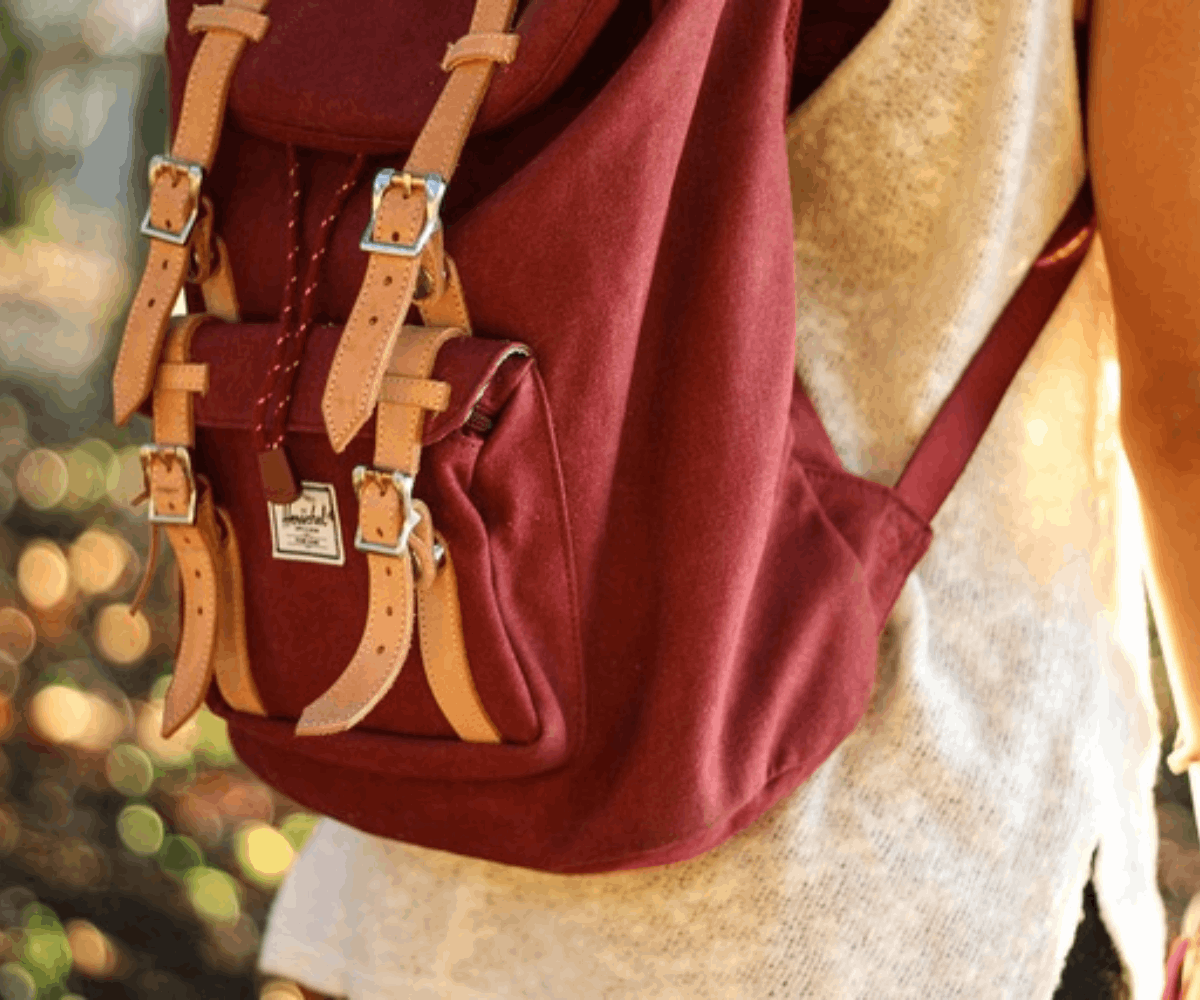
How can you prepare for grad school and what should you have in your backpack? We thought we would combine ideas about exactly what you need in your backpack for grad school- and other items which ‘would be nice/ a luxury’. This is not a shopping list- although if you’re not worried about resources, you may want to do some shopping/ hunting for bargains.
Your grad program may have some specific items that are required or highly recommended- and there’s a wide variety between programs. But we thought we’d share a list and we hope that it’s inspiring and helpful!
ESSENTIALS:
TECH:
- A working laptop: You really can’t learn anymore without one! This doesn’t necessarily mean that you need a new one, but you’ll have a sense as to whether your laptop will be up to 2-4+ years of hard work. Consult a tech buddy if you’re unsure or if you feel your laptop is too slow- they hopefully can help you. Budget-friendly hack: you can replace your battery for around $200-$300- as opposed to buying a new laptop.
- A portable power pack: These are generally light, inexpensive and they may save your laptop from dying at a crucial moment!
- USB port (for Mac users) and a USB/thumb drive– Don’t wait until the night before a major presentation to purchase these!
- Extra charging cables: Keep an extra laptop charger and phone charger in your pack at all times. This avoids those terrifying moments when you’re hovering above 1%!
- A steel cable and combination lock for your laptop: This is handy for those situations where you’re all set up and working- for example in a library- and you need to take a break for a few minutes.

SUPPORT SUPPLIES:
- Writing utensils: Oodles of pens, pencils (or mechanical pencil and leads), highlighters (for reading) and colour felt pens (if you’re a visual learner). Budget hack: many campuses have bookstores with reasonably- priced supplies.
- Paper and binders: 1 binder per class with tons of notepads, binder tabs and dividers (if you need to separate your materials by concept).
- Hole punch: A commonly overlooked home-office item – but you definitely need one.
- Calendar/ planner: This can be paper or digital, but you need some preferred means of keeping track of projects, assignments and upcoming deadlines.
- If needed, your reading/computer glasses, along with lens cleaner wipes.
- Flash cards: These always come in handy during exam season!
- A calculator: Depending on your degree, you may need a high-grade calculator to take into exams. Check your syllabi and go shopping early in the semester.
- A stapler (and extra staples): Some professors ask for ‘printed and stapled’ essay submi Don’t be that one student who forgets!
- A fun and attractive pencil case: Yes, this may remind you of grade school, but there are many different options for organizing your writing tools, cables, stapler, calculator and other accessories. The more organized you are, the less frustration you’ll have in always looking for items.
PERSONAL ITEMS:
- A water bottle: Staying hydrated is critical for your health- and the bonus is that water increases brain function!
- A coffee or tea mug: As a grad student, you may have access to a lounge or office that has a coffee maker or kettle, which is really helpful for your budget (as long as the coffee is drinkable!). Budget hack: while it’s always a treat to go for coffee, if that’s something you buy every day, the cost over a 2-year period will be at least $1000!
Miriam: If you have a grad student office, think about bringing your own kettle and tea bags or coffee maker. Your office mates might wish to share these expenses. But always check with your program administrator as to what is allowed in offices.
- Lunch bag/plastic food container: If your class schedule is basically 9-5, it’s essential to bring lunch and snacks. Unfortunately, food choices on many campuses are quite unhealthy, and also expensive. Packing lunch is budget friendly and body-friendly- and will definitely increase daily satisfaction.
- Weather-appropriate clothing and accessories: Geography matters! If you’re going to school in Vancouver, you definitely need to carry an umbrella and you also need a decent rain jacket/coat. In many other places (especially in Canada), you’ll need winter gear that will keep you warm, especially if you commute by public transit.
- At least one decent outfit: Yes- there will be occasions where you will want to make a positive impression- whether it’s in an interview, or lunch with your supervisor, or a holiday party. This is where you want to shine and look professional! Budget hack: if your wardrobe is basic and fairly limited, look for a good outfit in a ‘second chance’ clothing store- you can find incredible bargains!
- A small toiletry bag: There will be days when you’re not at your best but you still have to tough it out. Come prepared with whatever you take for headaches, colds, sore throats etc. You may wish to include eyedrops, and also hand lotion. This toiletry bag is about self-care and being proactive.
Lauren: This is a great idea! I always have a supply of gum in my bag to help me stay focused.
- A personal alarm: There will be times when you’re alone on-campus late at night (or at least after dark in winter) and you have to walk across campus to get to the bus stop or your car. A personal alarm is really inexpensive (around $30), light, easy to use, and LOUD! This is just an extra precaution that hopefully you won’t have to use but it’s highly effective if you do. Safety hack: many campuses offer a Safe Walk program where you can just call security and someone will happily escort you to your destination.
- A combination lock: If you can rent a personal or shared locker at school, it’s not a bad idea to keep some personal items safely stored and in reach.
- Nutritional supplements: It’s no secret: grad school can be demanding. Before the term starts, load up on daily vitamins and protein supplements that can keep you energized and healthy all semester long.
Lauren: Emergen-C is one of my favourites during tough exam periods!
LUXURY ITEMS (if you wanna splurge!)
- An at-home printer: Most universities have public printers available to students on campus. However, if you’re in certain degree programs that require printed notes for exams, an at-home printer would save an abundance of time! Extra expenses to budget for: paper and ink.
- A monitor: Cramming over your laptop for extended periods of time is hard on both eyesight and posture. A monitor (preferably one where you can adjust the height) can increase at-home efficiency and prolong study time. Extra expenses to budget for: mouse and keyboard.
Miriam: There are also portable monitors which you could take back and forth from campus.
- A laptop stand: If you decide to work entirely on your laptop, you may wish to consider a stand that will ease the pressure on your wrists. Some adjustable stands give you the option of standing while you work.
- External drive for backup: You may have heard horror stories of stolen laptops that contained an entire thesis- that had not been backed up! An external drive is not that expensive and it can provide you with added peace-of-mind for all your important documents.
- A book stand/document holder: For reading intensive degrees, a bookstand is a popular choice.
- Blue light glasses: If you’re one to suffer from screen-induced headaches, this investment should be helpful.
Lauren: These have been a game-changer for me!
- A sufficient desk lamp: On the topic of eyecare, straining your eyes late into the evening won’t be a successful study habit long term. A bright desk lamp that keeps your vision bright and mind alert will help you through late-night study periods.
Going back to school is – and should be – exciting! Getting prepared early is key to a smooth, enjoyable transition. We hope this list helps reduce back-to-school anxiety and sets you up for academic success!